User intent in SEO refers to the reason behind a search — what someone wants to do. It is of four types — informational, navigational, commercial, and transactional. Understanding intent helps businesses create content that matches customer needs, improving rankings, attracting more qualified traffic, increasing engagement, and guiding users toward enquiries, leads, and conversions.
Introduction
Many businesses invest in SEO content that attracts traffic but fails to generate leads. In most cases, the issue isn’t visibility — it’s intent mismatch. The content ranks for searches that don’t align with what the user actually wants in that moment.
If your content clearly answers the user’s intent, chances are search engines will lift it higher in the results. If it doesn’t, even strong SEO won’t save it.
This blog breaks down how user intent works and how you can optimise your content to match it.
[image_lm]
What Is User Intent?
User intent is the goal behind a person’s search — the real reason they’re typing a query into search engines or LLMs. It’s what the user is trying to achieve in that moment, whether that’s learning something, comparing options, or taking an action like making a purchase.
Search engines analyse intent to decide what type of content will be most useful, which is why two keywords that look similar on the surface can trigger completely different results.
Understanding user intent helps you:
- Go beyond keywords
- Focus on what people actually want when they land on your page.
When your content matches that intent, it becomes easier for search engines to serve it, and far more satisfying for the person who clicked.
[text_lm]
What are the four types of intent in SEO?
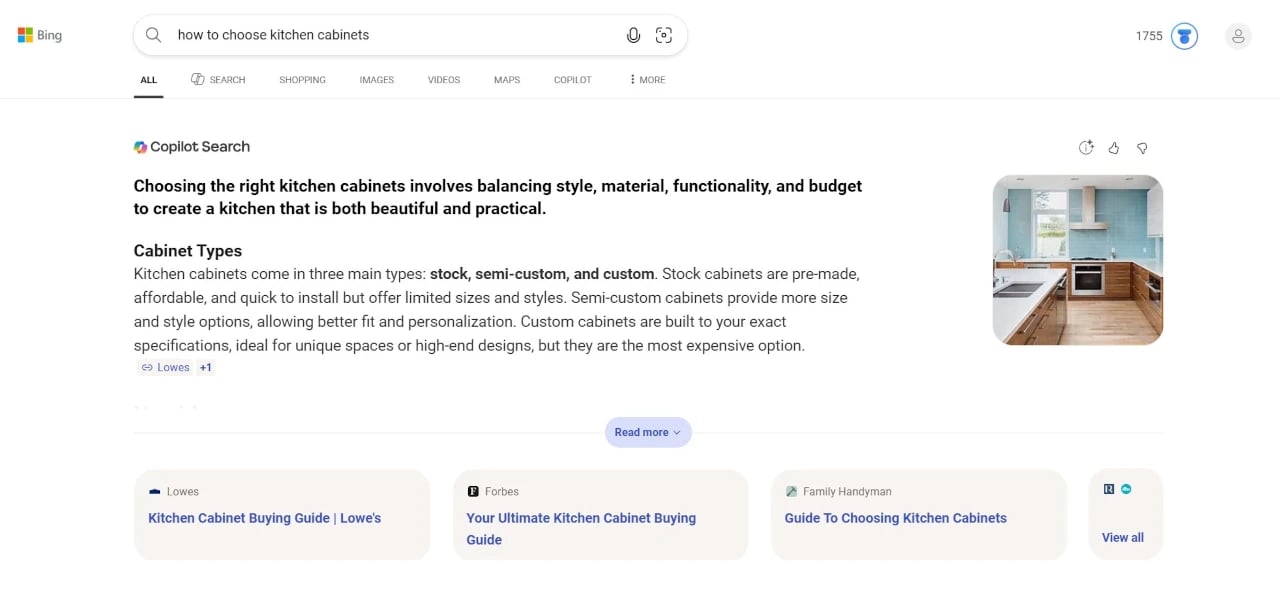
1. Informational intent
These searches happen when someone wants to learn something — a definition, an explanation, or a step-by-step guide. They’re not ready to buy; they just want clarity or answers. Blogs, how-tos, FAQs, and explainer videos usually meet this intent best.
Here is an example of informational intent:
2. Navigational intent
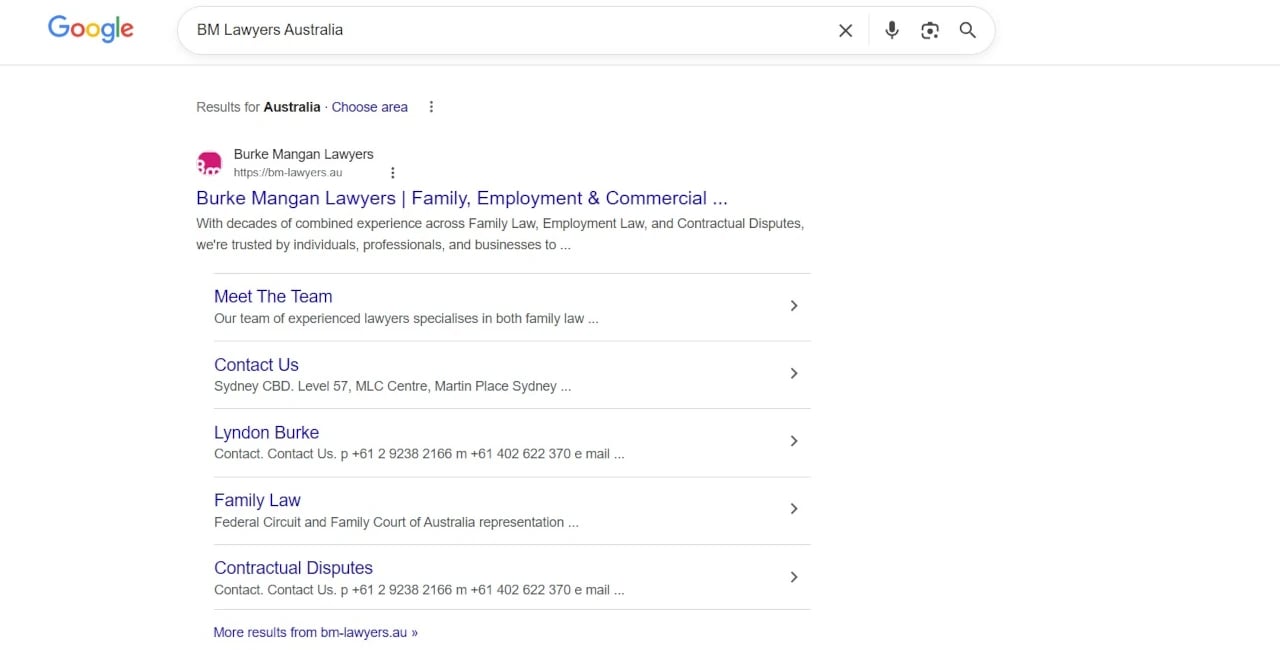
Here, the user already knows where they want to go. They’re searching for a specific brand, platform, or page because it’s quicker than typing the full URL. Optimising for this intent often means having strong brand visibility and clear page titles so users can easily find you.
Here is an example:
3. Commercial intent
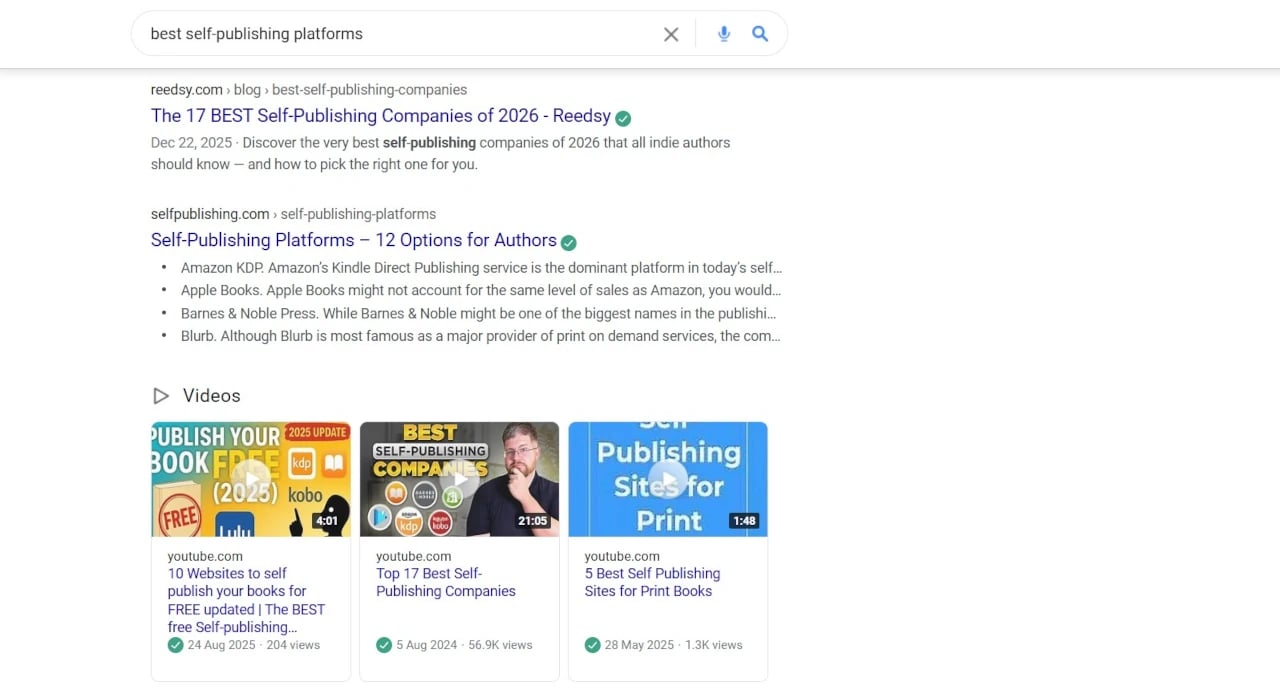
This is the research phase before a purchase. Users are comparing products, reading reviews, or looking for the “best” option. They’re weighing their choices, so content like comparison guides, case studies, and product roundups works well here.
Here is an example of commercial intent:
4. Transactional Intent
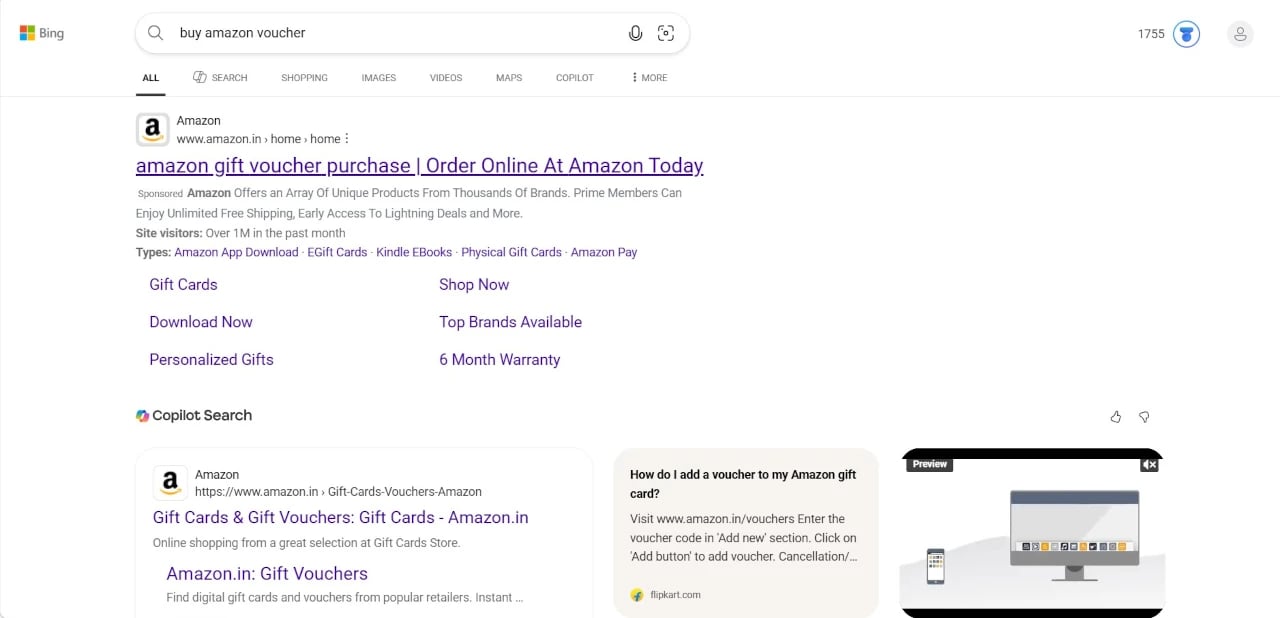
These searches signal that the user is ready to act — buy, book, sign up, or download. They’ve done their research, and now they want the quickest path to the final step. Here is an example of transactional intent:
Why User Intent Matters for SEO
User intent has become one of the strongest signals Google uses to decide which pages deserve to rank. When businesses and creators understand the intent behind a search, they can create pages that are genuinely useful and attract the right kind of audience. This is exactly what Google wants to reward. Based on the enormous amounts of data Google collects, it pretty much knows which keyword belongs to which intent.
[image_lm]
Here’s why it matters:
Better SERP Rankings
Google (and other search engines) ranks the results that best match what the user wants in that moment. If your page aligns with that intent, you instantly become a stronger candidate for page one in search results.
Lower Bounce Rates
User intent improves engagement metrics that influence SEO indirectly. When visitors find what they expected, they stay longer, click more, and bounce less — all positive signals.
Matching Content to Query
Some searches need a guide, others need a comparison, and some need a clean landing page. Matching the format boosts relevance. User intent allows you to choose the right content format to match the query and tap into the right audiences.
[text_lm]
Reduced Cannibalisation
When each page is built around a clear intent, you avoid multiple pages competing for the same query. This reduces the risk of keyword cannibalisation and misaligned content.
Better Conversions
When your content mirrors what the user wants — whether to learn, compare, or buy — the path to action becomes much smoother.
[image_lm]
How Google Interprets User Intent
1. Language patterns
Google analyses billions of similar searches to understand common intent signals. Here are some intent examples:
- “What is…” usually means informational.
- “Best…” suggests comparison or evaluation.
- “Buy…” or “shop” signals someone ready to act.
2. User behaviour
Google watches how people interact with the results. For example:
- If most searchers click how-to guides for a query, Google promotes that format.
- If they prefer product pages or map listings, it reshapes the SERP accordingly.
3. Context clues
Google considers the following factors while showing search results:
- Location: “Plumbers near me” implies you need a local service.
- Device: Mobile searches often suggest urgency or immediacy.
- Search history: Helps refine whether you’re researching, comparing, or ready to buy.
By combining all of this, Google predicts the intent behind a query and serves the result most likely to meet the user’s real need — not just match the words they typed.
[image_lm]
How to Identify User Intent in Your Keywords
1. Look at the current search results for the keyword
Google’s SERPs is the clearest indicator of what people want. If the SERP is filled with guides, you’re dealing with informational intent. If it’s product listings or booking pages, that’s transactional.
2. Pay attention to keyword modifiers
Words like “how”, “best”, “compare”, “near me”, “price”, “buy”, “review”, or “what is” give strong clues about intent. These small words completely change what users expect to see in the content.
3. Check the “People Also Ask” and “Related searches”
These sections reveal what users typically explore next. This helps you understand if they’re researching, comparing, or getting ready to take action.
4. Use Google Search Console or keyword tools to classify queries
Tools won’t tell you intent directly, but patterns will. You can note down the queries and categorise them as informational, transactional, etc.
5. Group your keywords into intent “buckets”
Sorting them into informational, navigational, commercial, and transactional categories helps guide your content structure and ensures each page has a clear purpose.
[text_lm]
Common Mistakes when Targeting User Intent
Prioritising Keywords Over Users
When it comes to SEO, focusing on keywords instead of the problem the user is trying to solve is a mistake.
You can rank for the right words and still give readers the wrong experience. Intent should guide the content, not the keyword alone.
Wrong Content Format
Using the wrong format for the query can backfire in unexpected ways. If someone wants a quick answer, giving them a 2,000-word article feels overwhelming. Likewise, a high-intent buyer doesn’t need a long explainer — they need clarity, benefits, and a next step.
Forcing Conversions
Trying to force transactional intent into informational topics will only make your content sound more sales-y.
Not every visitor is ready to buy, and pushing sales too early often drives them away. Informational pages should focus on trust first, not conversion pressure.
Keyword Cannibalisation
Your website’s SEO can take major U-turn if you’re creating multiple pages targeting the same keyword without considering intent. This leads to keyword cannibalisation and forces Google to guess which page is relevant — and it often chooses neither.
Skipping SERP Analysis
DO NOT ignore the SERP and assume you already know what users want.
The search results change over time. If you don’t regularly check them, you may end up optimising for an intent that no longer exists.
Content Depth Mismatch
Writing content that’s either too shallow or too detailed for the stage the user is in can plunge traffic and dip your conversions.
Matching depth to intent matters. A user researching “what is…” needs clarity, while someone searching “best…” expects comparisons and specific recommendations.
[image_lm]
How to Optimise Your Content for User Intent
Optimising for user intent starts with understanding what someone is actually trying to achieve when they land on your page — not just the keywords they typed. When your content meets that expectation, it feels natural, helpful, and trustworthy, which is exactly what Google wants to reward.
Here’s how to do it:
Step 1: Read the SERP
Look at what currently ranks: guides, product pages, comparisons, videos, local packs. The SERP already tells you what users expect for that query.
Step 2: Choose the Right Content Format
- If the intent is quick information, keep it short and direct.
- If the intent is comparison or decision-making, use lists, pros/cons, or side-by-side breakdowns.
- If the intent is transactional, focus on clarity, benefits, pricing, and next steps.
Step 3: Match the Depth to the User’s Stage
Give enough detail to answer the question — no more, no less. Early-stage users want explanations; later-stage users want specifics.
Step 4: Align Language with Intent
- Informational content should feel helpful and clear.
- Commercial or transactional content should feel confident, structured, and action-oriented without being pushy.
Step 5: Create Clear, Obvious Steps
Once someone finds what they came for, guide them naturally: a related guide, a comparison, a product page, or a contact option — depending on the intent.
Step 6: Keep Updating as Intent Shifts
Search behaviour isn’t fixed. Revisit your key pages and check the SERP every few months to make sure your content still matches what users want.
[text_lm]
How to Build an Intent-Driven Content Strategy
The steps to create an intent-driven content strategy are:
- Map out the main types of intent your audience has: learning, comparing, problem-solving, or buying.
- Research the SERPs for your target queries to see what formats and angles Google already rewards.
- Create content that answers the specific need behind each query — whether that’s a quick explanation, a how-to, a comparison, or a product page.
- Build natural pathways between pages so users can move from early learning to confident action.
- Review and refine regularly, because user behaviour and search results evolve over time.
Conclusion
Now that you know how user intent shapes search behaviour, your next step is to audit your content. Start by reviewing your key pages, checking the SERPs, and aligning each piece of content to a clear intent.
UR Digital can help you assess your current content, map intent gaps, and build a practical plan forward. Need help with your next steps? Contact us today.
FAQs
What are intent keyword examples?
Some examples of intent keywords are:
- “how to market your product”
- “best tools for writing”
- “buy a Rolex watch”
- “architects near me”
These keywords help identify whether someone is researching, comparing, or ready to take action.
What are common intent use cases?
Common intent use cases include answering quick questions, helping users compare options, guiding buyers toward a purchase, and assisting users trying to find a specific page or brand.
Businesses use intent signals to decide whether to create guides, comparison pages, landing pages, or product content. Each use case supports a different stage of the user journey.
What are high intent users?
High intent users are visitors who are close to taking action, such as buying a product, requesting a quote, or booking a service. Their searches often include terms like “buy,” “price,” “near me,” or specific product names.
What is user intent in omnicrovert?
In an omnichannel or “omnicrovert” context, user intent refers to understanding what a customer wants across every touchpoint — search, social, email, website, or in-store. It helps brands deliver consistent, relevant experiences no matter where the interaction starts. The goal is to meet the user’s intent seamlessly across channels.
How do I fix pages that target the right keyword but the wrong intent?
First, identify the dominant intent by reviewing the SERP. Then rewrite or restructure the page so it answers the real user goal — whether that’s learning, comparing, or buying. Sometimes consolidation or creating a new page is the better fix.
How does user intent affect keyword clustering?
Clusters should group keywords not just by topic but by intent. This ensures each page has a clear purpose and avoids cannibalisation. For example, “best CRM tools” (commercial) shouldn’t sit in the same cluster as “what is CRM” (informational).
Can intent change over time for the same keyword?
Yes — intent shifts as products evolve, trends change, or user behaviour moves. Google adjusts the SERP accordingly, which means a keyword that was once informational may later become transactional.
How do you optimise CTAs to match different user intents?
Informational intents need soft CTAs like “Learn more” or “See examples,” while commercial intents benefit from stronger CTAs like “Compare options.” Transactional intents require direct prompts such as “Buy now,” “Request a quote,” or “Book today.”
How do mixed-intent keywords affect content strategy?
Mixed-intent keywords attract users at different stages, so the SERP often blends formats. You need to decide whether to target the dominant intent or create supporting pages for multiple intents. This prevents confusion and improves ranking stability.
What role does user behaviour data play in identifying intent?
Metrics like click-through rates, bounce rates, and scroll depth reveal whether users are finding what they expected. When behaviour drops off quickly, it’s a signal the content doesn’t match intent. Behaviour data helps validate or correct your assumptions.