Evergreen content is content that stays relevant over time and continues to drive traffic, engagement, and leads long after it’s published. By focusing on timeless topics, aligning with search intent, and updating content periodically, businesses can build a consistent SEO that delivers long-term value instead of relying only on short-term content.
Introduction
Generally content has a short shelf life—it performs for a few days or weeks, then fades. Evergreen content works differently.
It continues to attract traffic, build authority, and generate leads long after it’s published. Instead of constantly chasing new topics, evergreen content helps you create a stable foundation for long-term SEO.
In this blog, you’ll learn what evergreen content is, why it matters, and how to create content that keeps delivering value over time.
[image_lm]
What is Evergreen Content?
Evergreen content refers to any piece of content that remains relevant, valuable, and accurate over time. It covers topics that people continue to search for, no matter when they learn about it.
Examples and Types of Evergreen Content
Here are some common types that stay relevant over time:
1. ‘How-to’ Guides
These include step-by-step instructions that help readers solve specific problems or learn new skills. For example:

Here are few other examples:
- How to Create an SEO-Optimised Blog Post in WordPress
- How to Set Up Google Analytics 4 for Your Website
- How to Build a Content Calendar in Trello
2. Tutorials
These offer practical lessons showing how to use a tool, product, or process.
Some other examples are:
- Tutorial: Using Microsoft Teams Effectively for Remote Collaboration
- Tutorial: Designing a Branded Presentation Template in Canva
- Tutorial: Creating a Digital Travel Journal in Notion
3. Listicles
These are a collection of tools, tips, or ideas that provide ongoing value. For example:

Some other examples are:
- Top 10 Free Tools for SEO
- Top 20 Digital Platforms for Your Business
- Top 10 Digital PR Agencies in Australia
Want to understand more about evergreen content creation in detail? Download our free Evergreen Content Guide.
[text_lm]
4. Frequently asked questions (FAQs)
These include answers to common questions that people continue to search for. For example:
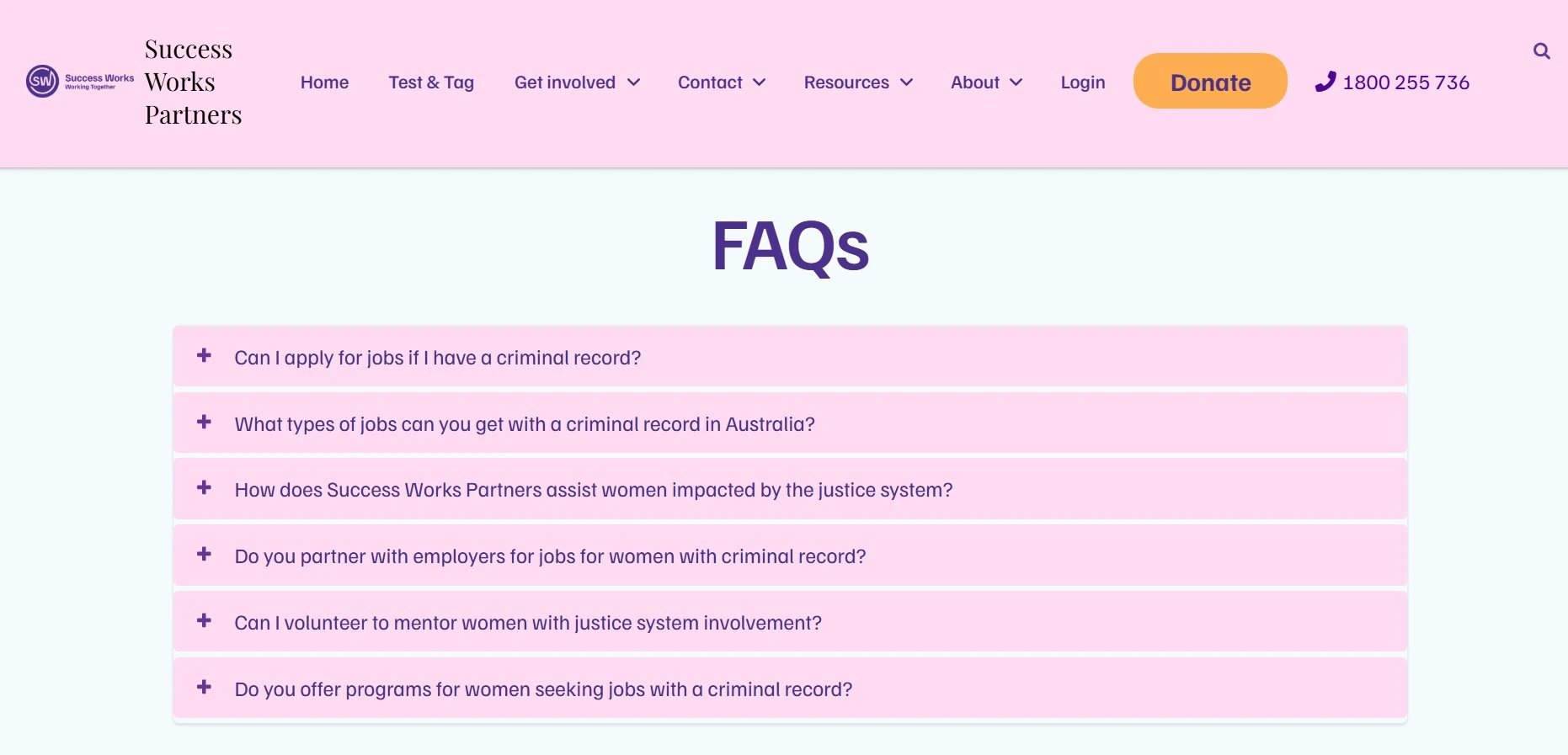
Some other examples are:
- What exactly does digital marketing do
- What are the four types of digital marketing?
- Is AI replacing digital marketing?
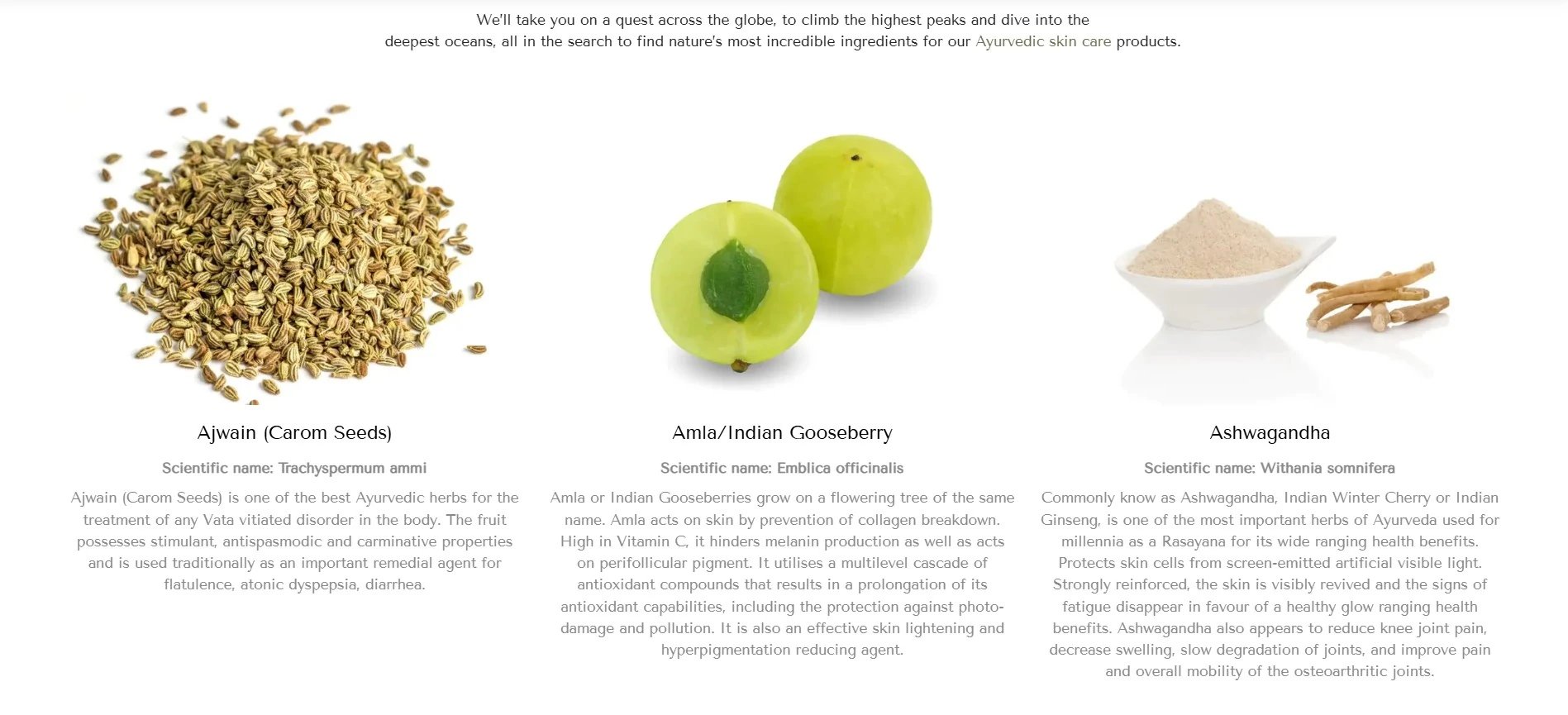
5. Glossaries
These include definitions of key terms in a specific field or industry. Here is an example of Ayurscience’s Ingredient Glossary:
Here are 3 other examples:
- Marketing Glossary: Key Terms Every Content Creator Should Know
- Travel Glossary: Essential Terms for Planning Your Next Adventure
- Legal Glossary: Common Employment Law Terms Explained Simply
6. Tips and Best Practices
These posts include useful advice that applies across time, not tied to current trends.
For example:
SolarRun’s Blog post: Top Tips for Installing Solar for Newbuild Homes

Here are 3 other examples:
- 10 Proven Tips for Writing SEO-Friendly Content That Ranks
- Best Practices for Managing Client Projects Without Burnout
- 5 Essential Tips to Keep Your Website Secure and Fast
7. Case Studies
These are detailed real-world examples that stay relevant when they highlight lasting strategies or lessons. For example:

8. Resource pages
These are lists of references, tools, or links that help users find reliable information. Here is an example:

Here are some other examples:
- The Ultimate Resource Hub for Small Business Marketing
- Travel Resources: Visas, Safety Tips, and Planning Tools
- Employee Rights Resources: Guides, Templates, and Legal Support
[image_lm]
How to Create Evergreen Content
1. Choose timeless topics
- Focus on subjects that don’t rely on news, trends, or specific events.
- Use keyword tools like Google Trends, Ahrefs, or SEMrush to find topics with consistent search demand over time.
2. Understand search intent
- Identify what users are trying to achieve when they search a topic — to learn, compare, or solve a problem.
- Check the “People Also Ask” section on Google and “Related Searches” at the bottom.
- Check the questions people ask on Bing search engine as well.
3. Write clear, useful content
- Use simple language and a combination of long and short sentences to make the information easy to understand.
- Break up text with headings, bullet points, and examples.
- Include practical steps, visuals, or templates to make the content actionable.
[text_lm]
4. Optimise for SEO
- Target specific, evergreen keywords that have steady search volume (e.g., “how to start a blog”).
- Add internal links to related content and external links to credible sources.
- Write strong title tags, meta descriptions, and alt text for images.
- Keep URLs short and descriptive.
5. Avoid dates or time-specific references
- Don’t include years, temporary events, or time-sensitive data unless absolutely necessary.
- Use phrases like “regularly update your tools” rather than naming specific versions.
6. Update when needed
- Review your evergreen content every 6 to 12 months to check for outdated information, broken links, or new developments.
- Add new data, images, or examples to keep it fresh.
- Re-promote updated posts on social media or newsletters to bring in new traffic.
[image_lm]
How to Promote Evergreen Content (11 Strategies!)
1. Optimise for search engines (SEO First)
- Use keyword research tools like Google Keyword Planner, Ahrefs, or Ubersuggest to find long-tail keywords.
- Include your target keywords naturally in titles, headers, meta descriptions, and image alt text.
- Add internal links to and from related posts to boost visibility and help search engines understand content relevance.
- Earn backlinks by reaching out to other websites or guest posting on related blogs.
2. Share regularly on social media
- Reshare evergreen posts every few months since the content stays relevant.
- Create different captions or visuals each time to keep the post fresh.
- Pin key evergreen posts to the top of your Facebook page, X profile, or LinkedIn feed.
- Use scheduling tools like Buffer, Later, or Hootsuite to automate reposting.
[text_lm]
3. Repurpose content into new formats
- Turn blog posts into short videos, infographics, or carousel posts for social media.
- You can also
- Use main points to create email newsletters or lead magnets.
- Combine related evergreen pieces into an eBook or downloadable guide to attract new subscribers.
4. Include evergreen links in email campaigns
- Add evergreen blog links in your welcome series or monthly newsletters.
- Feature them under “Recommended Reading” or “Most Popular Resources” sections.
- Keep tracking engagement and clicks to see which content performs best over time.
5. Feature evergreen posts on your website
- Create a “Insights” or “Resources” page highlighting your best evergreen content.
- Display evergreen guides or tutorials in the sidebar, footer, or homepage sections.
- Use call-to-action banners linking to high-performing evergreen posts.
[image_lm]
6. Refresh and re-promote periodically
- Every 6–12 months, update facts, tools, and screenshots to keep content current.
- Once updated, treat it as a new launch — share it again across platforms.
- Add “Updated on [Month Year]” to show readers (and Google) that the content is current.
7. Use paid promotion selectively
- Boost your top evergreen posts using Google Ads or social media ads to increase exposure.
- Target keywords or interests that align with the topic rather than time-sensitive events.
8. Update the publication date after refreshing
When you update and improve an evergreen article, change the publish date to the current day. This pushes it back to the top of your blog feed and signals to Google that the content is fresh, helping improve click-through rates.
9. Build Internal Link Hubs
Create content clusters — connect multiple evergreen articles around one topic through internal links. For example, if you have several SEO-related posts, link them all under a “SEO Basics Hub.”
This helps users explore related content easily and strengthens topical authority in search engines.
10. Add evergreen links in guest posts or podcasts
- When contributing guest blogs or podcast interviews, reference your evergreen content as a supporting resource.
- This helps you build backlinks, authority, and steady referral traffic from external audiences.
11. Recycle Evergreen Topics in Webinars or Live Q&As
- Host periodic webinars or live sessions based on your evergreen topics.
- Promote the replay afterward and embed it in the original article to boost engagement and keep the post updated.
Want to understand more about evergreen content creation in detail? Download our free Evergreen Content Guide.
[text_lm]
Best Evergreen Content Ideas
- Common Mistakes to Avoid (e.g., 5 SEO Errors That Hurt Your Rankings)
- Checklists (e.g., Content Publishing Checklist for WordPress)
- Templates & Frameworks (e.g., Social Media Content Calendar Template)
- Tool Roundups (e.g., Top Free Tools for Keyword Research)
- Myth-Busting Posts (e.g., 7 Common Myths About AI Content)
- Lessons Learned (e.g., What We Learned from Running 100 SEO Audits)
- Predictions vs. Realities (e.g., Is Content Still King in 2025?)
- Success Frameworks (e.g., The 3-Step System for Content Visibility)
- Guides for Beginners (e.g., How to Get Started with WordPress Blogging)
- Policy or Law Overviews (e.g., Understanding Employee Rights in Australia)
- Reference Lists (e.g., Top Industry Publications and Blogs to Follow)
- FAQs and Troubleshooting Guides (e.g., Common Issues When Submitting a Sitemap)
Benefits of Evergreen Content
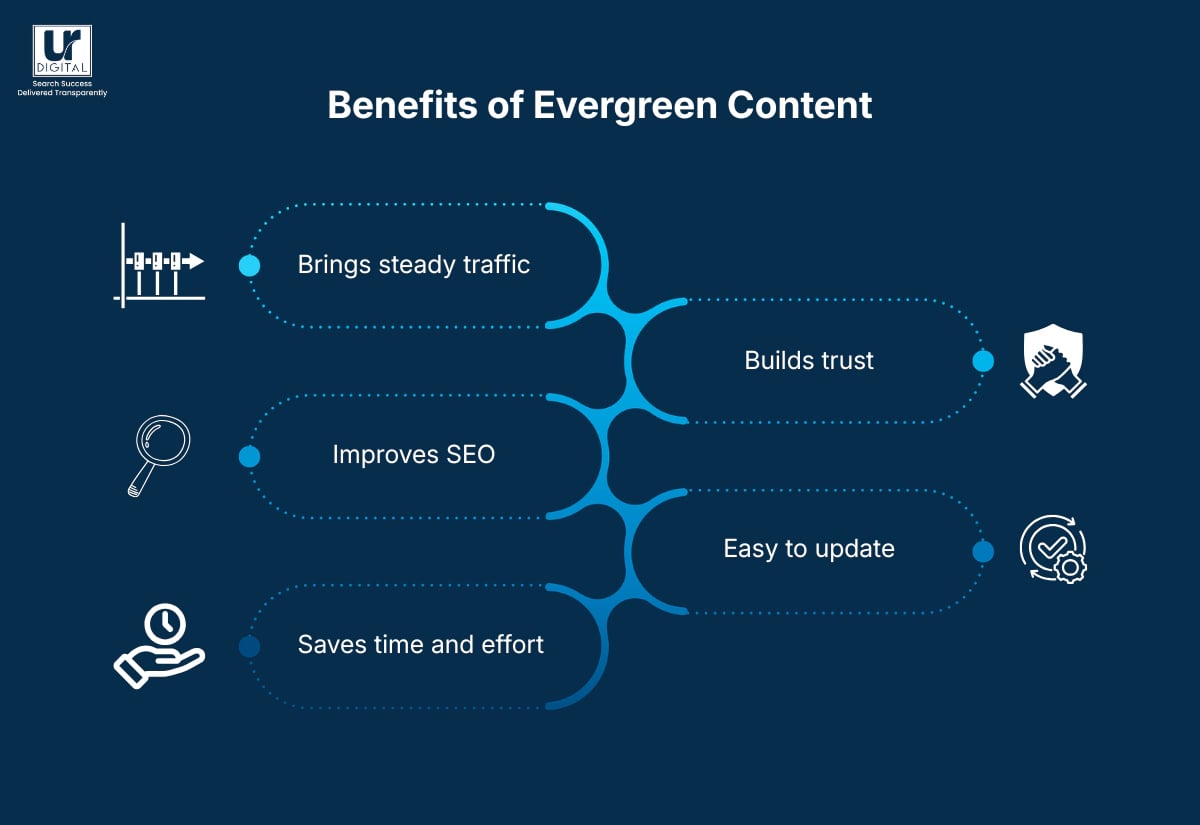
- Brings steady traffic: Evergreen topics keep attracting visitors long after they’re published.
- Improves SEO: Search engines reward content that stays relevant and useful over time.
- Saves time and effort: You don’t have to create new posts constantly to get consistent results.
- Builds trust: Reliable, helpful content shows expertise and builds audience confidence.
- Easy to update: You can refresh small details to keep the content current without rewriting it.
[image_lm]
Conclusion
Learning what evergreen content is just the beginning. The next step is to build a long-term content strategy — one that balances timeless articles with occasional trend-based posts.
Need expert help crafting your evergreen strategy? At UR Digital, we can help you plan, create, and optimise evergreen content that continues to drive traffic and leads. Contact us to start building your lasting content strategy.
FAQs
What is considered evergreen content on YouTube?
Evergreen content on YouTube includes videos that stay relevant over time, such as tutorials, educational guides, and how-to videos. These continue to get views and engagement long after they’re uploaded because the information remains useful.
What is the difference between evergreen and trending?
Evergreen content stays relevant for a long time, while trending content focuses on current events or topics that quickly lose interest. Trending content performs well short-term, but evergreen content provides steady, lasting value.
What is evergreen content on social media?
Evergreen content on social media refers to posts that can be reshared and remain engaging over time, like tips, guides, or motivational content. These posts don’t rely on specific dates or events to stay relevant.
How long does evergreen content last?
Evergreen content can remain relevant for months or even years, depending on the topic. With occasional updates, it can continue to bring consistent traffic and engagement indefinitely.
What is not considered evergreen content?
Content tied to current events, seasonal promotions, or short-term trends is not evergreen. Examples include news updates, limited-time offers, or pop culture commentary.
What makes content truly evergreen?
Content is truly evergreen when it covers topics with ongoing interest, provides lasting value, and requires minimal updates to stay accurate. It focuses on timeless information rather than temporary trends.
Is evergreen content always passive?
Not always. While evergreen content can generate ongoing traffic passively, it still benefits from updates, repromotion, and engagement to maintain performance.
Can all content be evergreen?
No, not all content can be evergreen. Some topics naturally depend on time, trends, or events, so only certain types of content can maintain long-term relevance.
Disclaimer
The contents of this blog are for informational and educational purposes only. They do not constitute professional SEO, GEO, AEO, ASO, or digital PR advice and should not be relied upon as such. We recommend consulting with an SEO expert before implementing any strategies. UR Digital accepts no responsibility or liability for any outcomes resulting from actions taken in reliance on the information contained in this content. Links to third-party websites are provided for reference purposes only. We do not endorse or guarantee the accuracy, relevance, or completeness of their content.