Digital PR involves using reputed online media- such as news sites, blogs, podcasts, etc to earn authoritative coverage and backlinks to increase visibility in traditional search engines and LLMs.
[text_lm]
Pre-Read: We failed in Digital PR for three years, before finally being able to crack it, so what you are about to read ensures you do not fail. This guide is aimed at business owners and marketing managers, I suggest you bookmark it for later reading. All text and images are written/created by humans for humans.
Bonus: If this is too much to read, watch Digital PR for AI Search: Backlinks That Earn Visibility Webinar.
Introduction
Digital PR can help your brand stand out in a world where competition is everywhere. Through news features, niche publications, podcasts, and backlinks, it builds both credibility and reach.
The best part? Instead of relying on ads that fade fast, it creates attention that lasts. In this blog, we’ll walk through what Digital PR is, how it works, and the results it can deliver for your brand.
[image_lm]
What Is Digital PR?
Digital PR is using online media to build visibility, credibility, and trust for your brand. Instead of traditional print or TV, it focuses on digital spaces like search engines, news sites, blogs, podcasts, and social platforms.
The goal isn’t just to get mentioned, but to create stories, insights, and campaigns that people and journalists find worth sharing. Done well, it helps you earn backlinks, boost SEO/GEO rankings, attract new audiences, and position your brand as an authority in your space.
Primary Goals of Digital PR
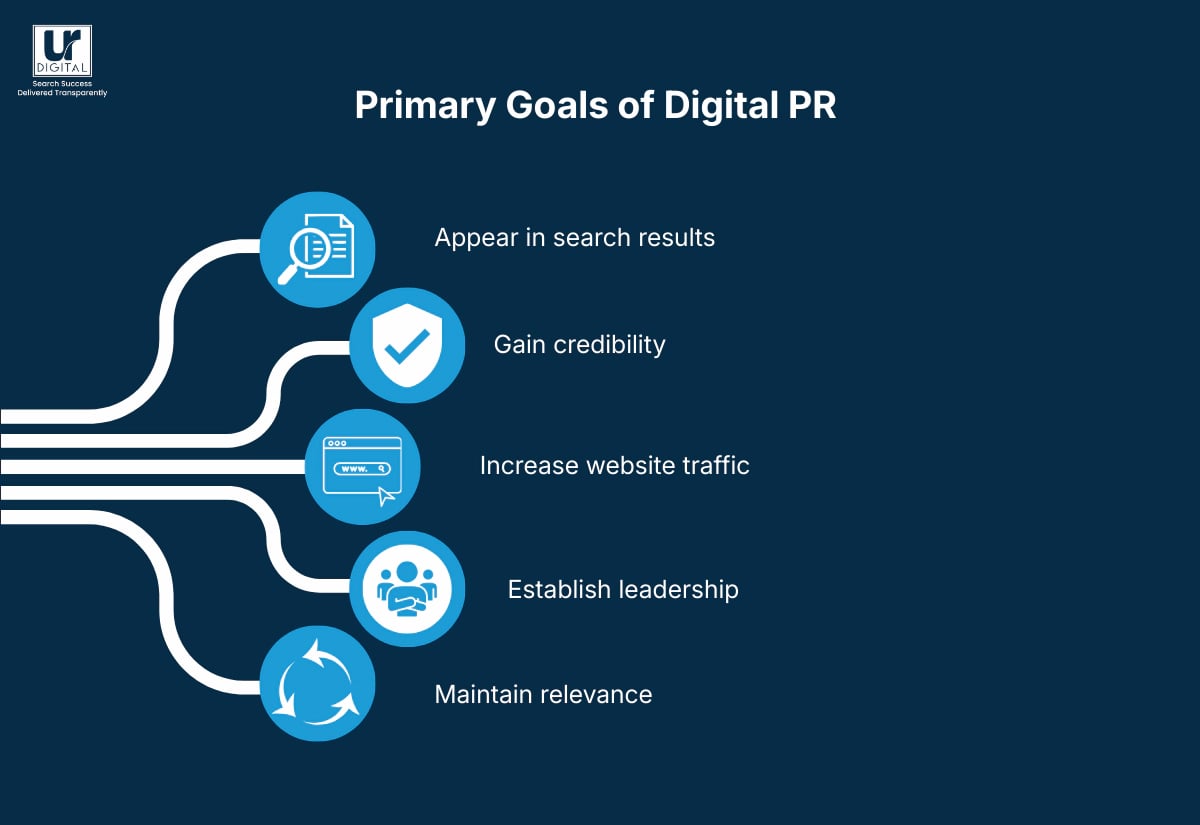
- Appear in search results including citations in LLMs.
- Gain credibility
- Increase website traffic
- Establish leadership
- Maintain relevance
DPR vs. Traditional PR
Traditional PR mainly focuses on offline channels, which include (but are not limited to) newspapers, television, and print media coverage. In contrast, Digital PR mainly focuses on online channels, using blogs, social media, podcasts, and search engines to build visibility and reach.
The following table explains their differences:
| Aspect | Traditional PR | Digital PR |
| Typical Activities | Press conferences, media briefings, interviews, launch events, and community engagement | Online media outreach, content campaigns, influencer collaboration, and digital press releases |
| Audience Interaction | Limited direct interaction with audiences | High audience engagement through shares, comments, and discussions |
| Measurement | Difficult to measure | Can be measured through metrics such as traffic, backlinks, rankings, and engagement |
| Speed of Distribution | Slower as lots of organisation, coordination, and scheduling is often involved | Faster, as content can be published and shared instantly |
| Cost & scalability | Often higher due to print production, broadcast placements, and event costs. Hard to scale rapidly | Generally more flexible and scalable, with lower distribution costs |
DPR vs. Link Building
Link building focuses on securing backlinks for SEO/GEO, while digital PR uses newsworthy stories and campaigns to build both links and wider brand credibility.
Following are the differences between Digital PR and link building:
| Aspect | Link Building | Digital PR |
| Main Objective | Acquiring backlinks to improve search engine rankings. | Building brand reputation and visibility through storytelling. |
| Content Strategy | Targeted guest posts and niche edits for link placement. | Original research, surveys, and expert commentary. |
| Email Open Rate | Lower: Outreach is often perceived as transactional or “cold,” leading to lower engagement. | Higher: Journalists and editors are more likely to open emails featuring “newsworthy” stories and data. |
| Timeframe | Slower: Usually takes a long time to see a measurable impact on search rankings. | Faster: Media coverage and brand reach can occur soon once published. |
| Cost | Generally lower per placement; requires steady, long-term investment. | Often higher due to the strategy, research, and high-level outreach required. |
Benefits of a Digital PR Strategy
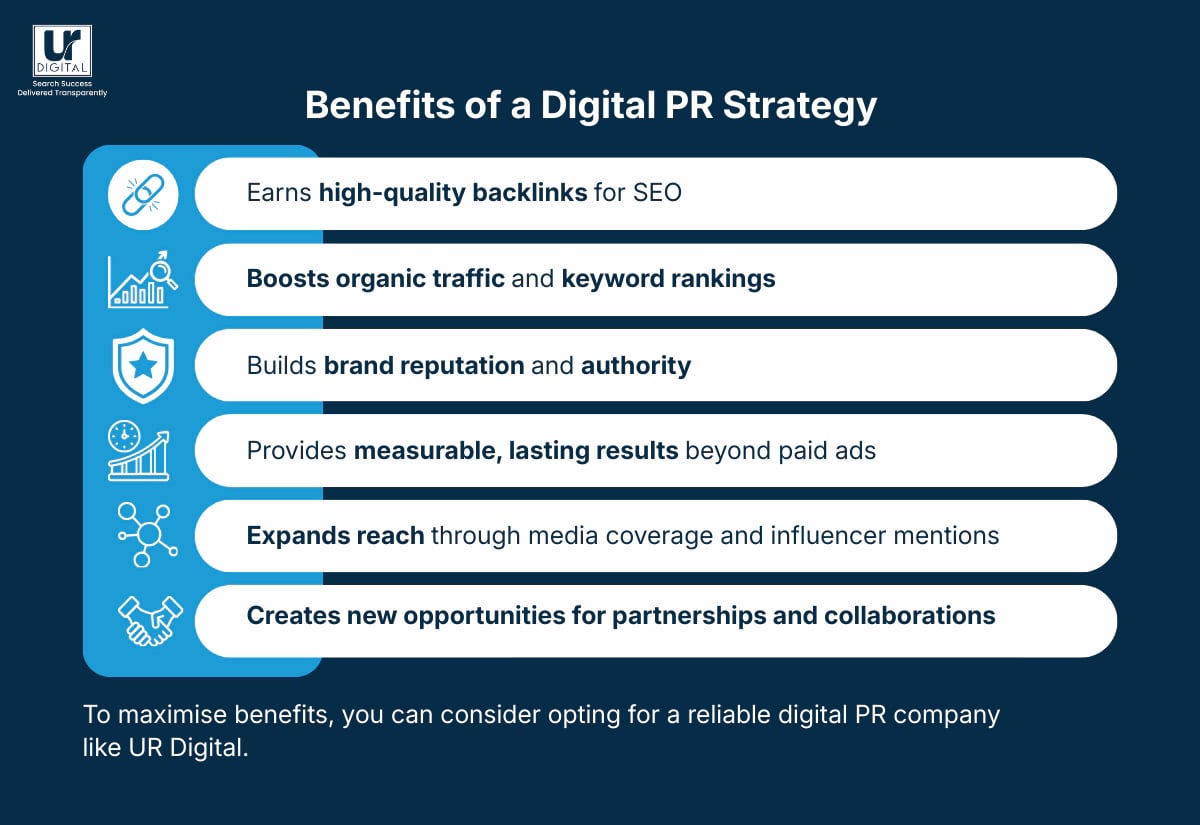
- Earns high-quality backlinks for SEO
- Boosts organic traffic and keyword rankings
- Builds brand reputation and authority
- Provides measurable, lasting results beyond paid ads
- Expands reach through media coverage and influencer mentions
- Creates new opportunities for partnerships and collaborations
To maximise benefits, you can consider opting for a reliable digital PR agency like UR Digital.
Digital PR Strategies to Expand Reach
1. Create Link-Worthy Content
Use data studies, infographics, industry reports, and original research as magnets to gain backlinks. Here is an example of an article we did as a part of a PR campaign:
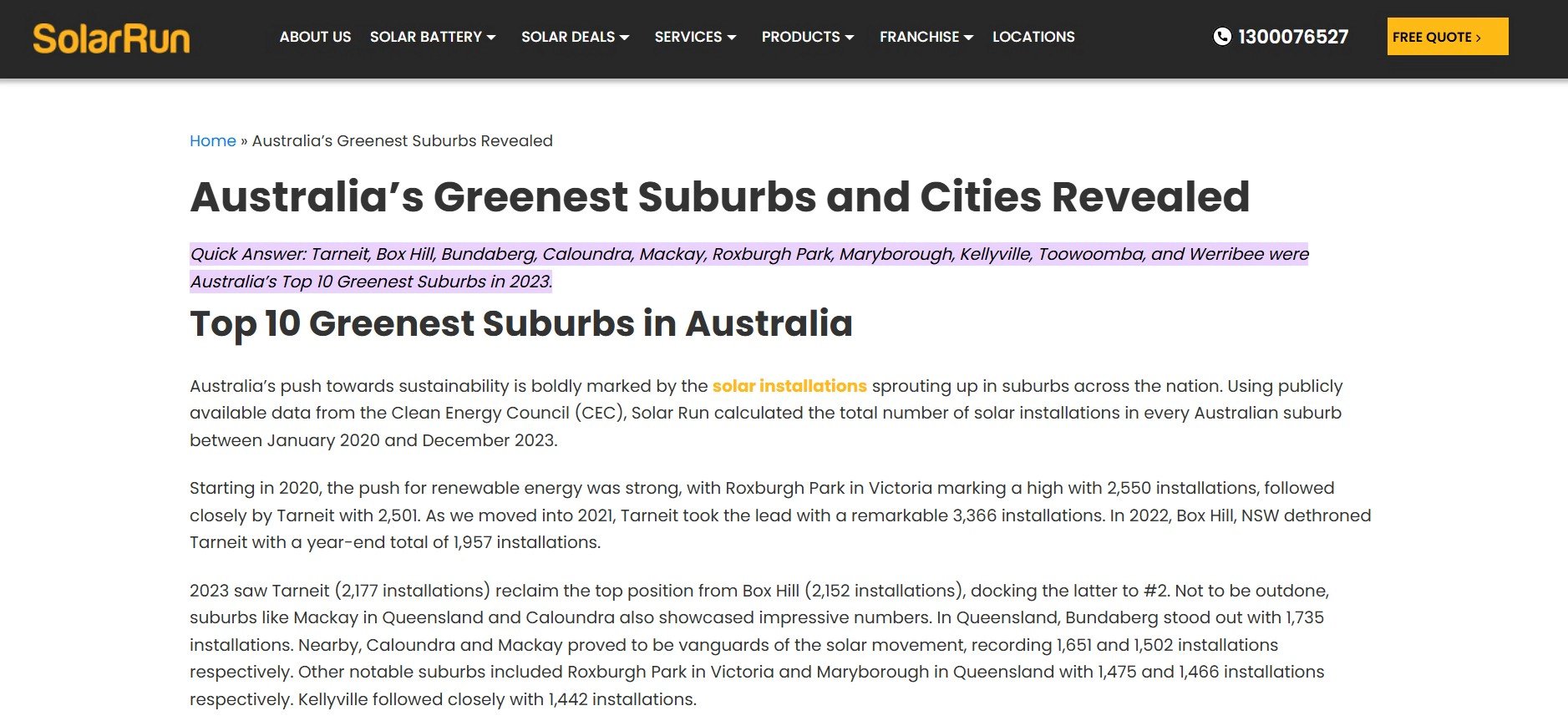
Result: This article helped the digital PR campaign succeed, ensuring coverage on Channel 7 News, PerthNow, Time Out, news.com.au, iHeart Radio, RealEstate.com.au, PV Magazine. For more in-depth review, see Greenest Suburbs case study here.
2. Leverage Social Proof
This digital PR strategy involves highlighting customer success stories, testimonials, or case studies to catch media interest. Here is an example of a case study we did:

3. Collaborate with Influencers
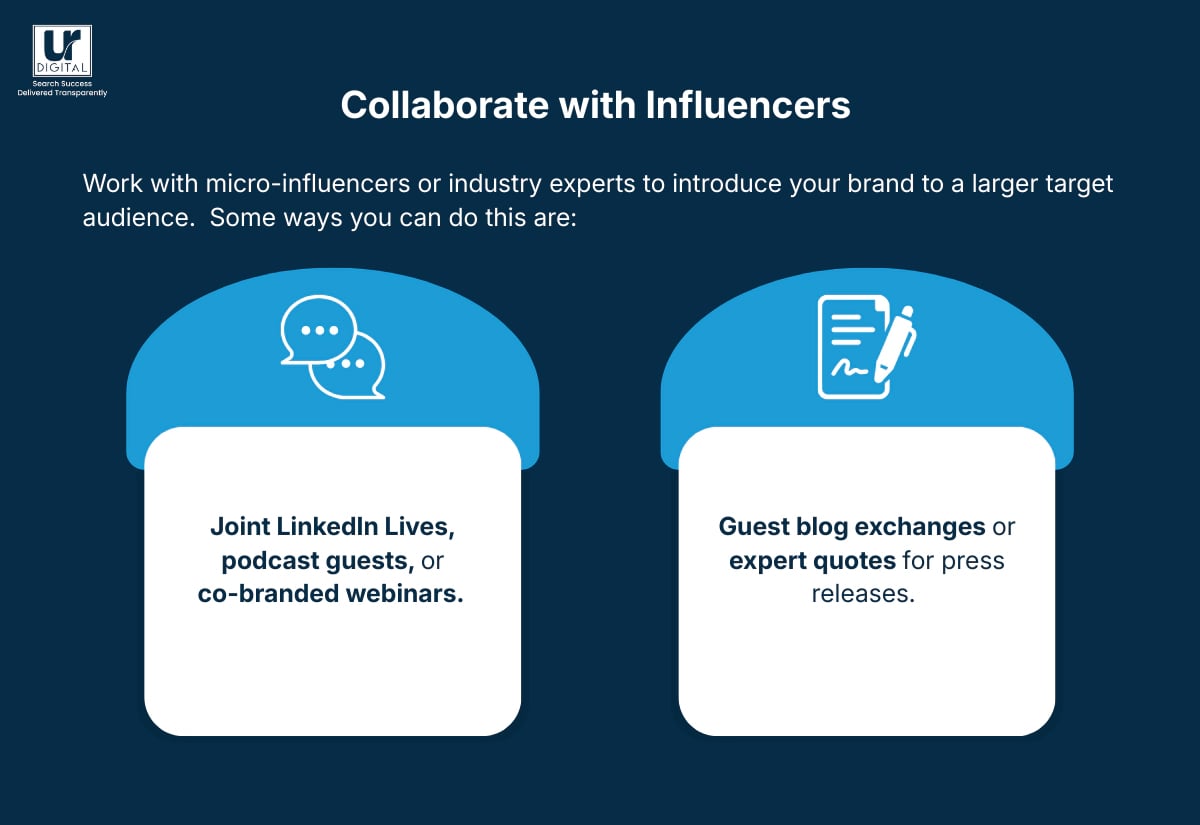
Work with micro-influencers or industry experts to introduce your brand to a larger target audience. Some ways you can do this are:
- Joint LinkedIn Lives, podcast guests, or co-branded webinars.
- Guest blog exchanges or expert quotes for press releases.
4. Monitor Trends and News
Keep an eye on what’s trending in your industry and share a quick, thoughtful response to a breaking story to earn mentions in online publications. Some simple strategies to this are:
- Share your viewpoints directly with journalists you’ve built relationships with.
- Post on LinkedIn and X with relevant hashtags so reporters and editors can spot it.
- Publish a “interesting perspective” blog post on your site for SEO + authority.
5. Build Relationships, Not Just Links
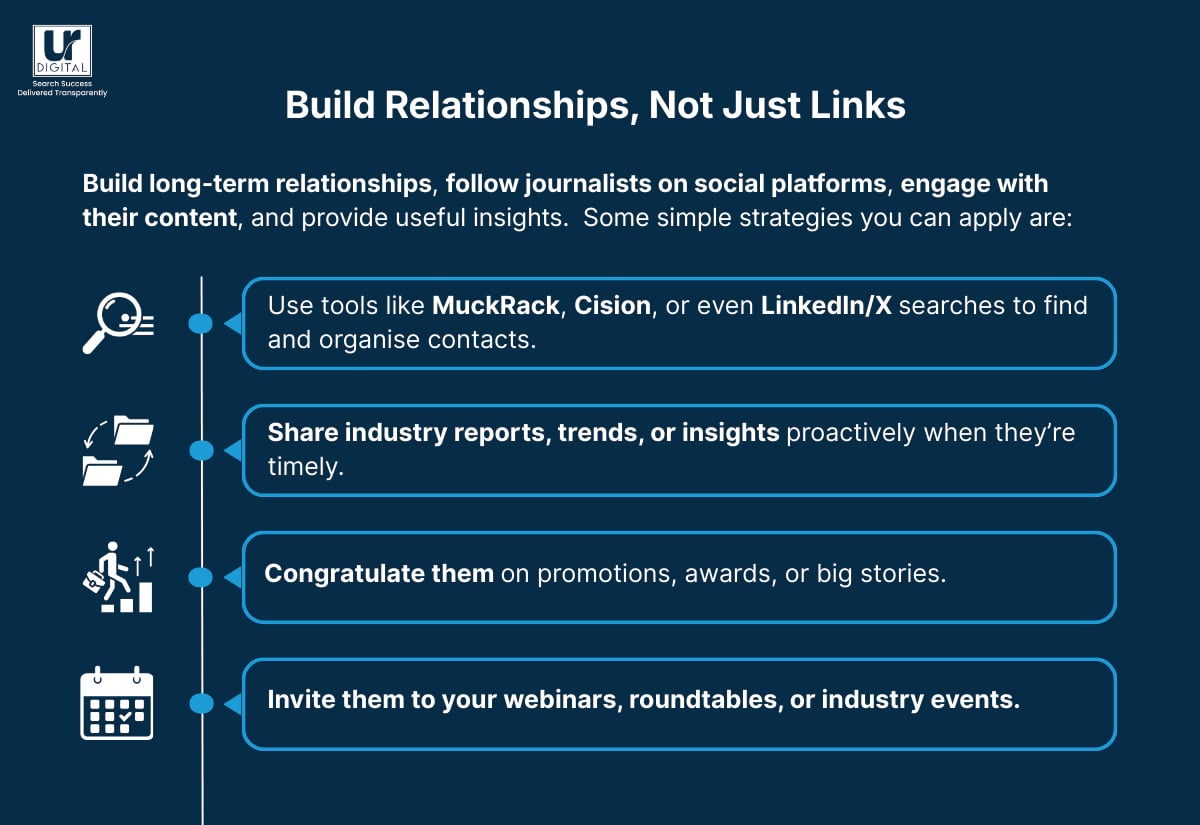
Build long-term relationships, follow journalists on social platforms, engage with their content, and provide useful insights. Some simple strategies you can apply are:
- Use tools like MuckRack, Cision, or even LinkedIn/X searches to find and organise contacts.
- Share industry reports, trends, or insights proactively when they’re timely.
- Congratulate them on promotions, awards, or big stories.
- Invite them to your webinars, roundtables, or industry events.
6. Creative Campaigns
If your idea makes people think, smile, or join in a moment that matters, you’ve already won half the battle. Some ways of doing this are:
- Make something people can play with or share such as a quiz, or a fun image.
- Instead of just publishing stats, shape them into a narrative that highlights a trend or challenge people can relate to. For example:
For example: Let’s say your survey shows that 60% of small business owners feel overwhelmed by digital marketing tools. Instead of simply releasing that number in a press release, you could frame it as: “Why most small business owners are burning out on digital tools—and what needs to change.”
Want to know about digital PR campaigns in detail? Download our free guide to Digital PR Campaign Types & Setup Guide
[text_lm]
How to Build a Successful Digital Campaign
Step 1: Set Goals and Objectives
Define clear outcomes like brand awareness, backlinks, or leads. Decide on tactics, success metrics, and a timeline to measure progress.
For example: When we did a digital PR campaign for Nouvelle, the goal was to achieve Page 1 Google rankings for renovation-related keywords, boost organic website search traffic and increase lead generation. To view the entire case study, click here.
Step 2: Audience and Competitor Research
Understand what topics and platforms resonate with your audience. Study competitor campaigns and backlink profiles to spot gaps and opportunities. Some practical strategies to do this are:
- Check Google Trends and Reddit threads to see what your audience is already asking.
- Use Ahrefs to audit competitor backlinks and make a list of outlets that covered them but not you.
Step 3: Ideation and Content Creation
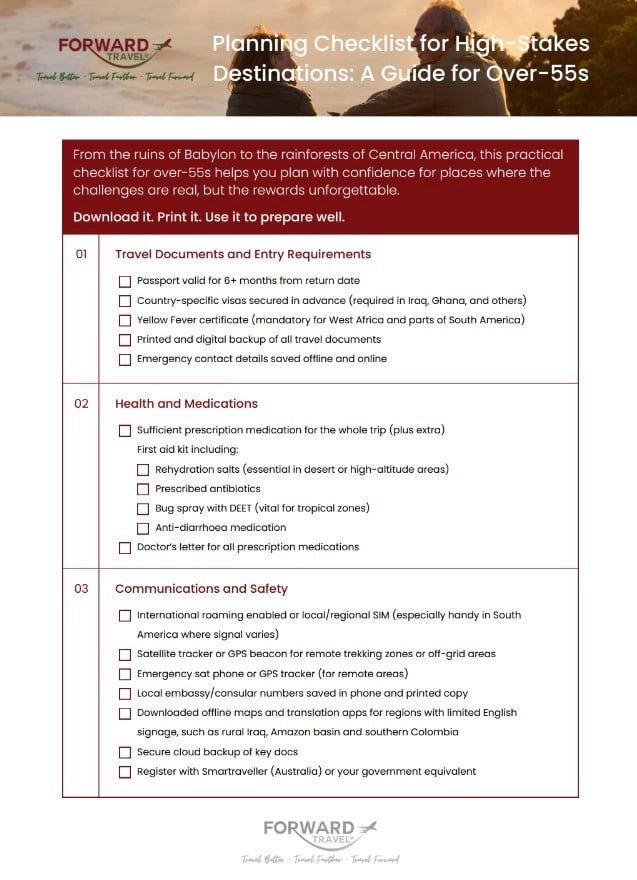
Develop newsworthy ideas tied to data or trends. Pair insights with visuals like infographics, and craft a strong narrative angle journalists can quickly use. Another simple digital public relations strategy is to create a checklist guide showing real impact.
For example: Here is a simple checklist:
Step 4: Distribution and Outreach
Target relevant publications and build genuine journalist relationships. Personalise pitches, and share content across earned, owned, and paid channels for maximum reach.
Some practical strategies to do this are:
- Use Medianet to distribute press releases.
- Use SourceBottle to find and respond to journalist requests for expert quotes or stories.
Step 5: Writing a Compelling Pitch
Keep pitches short, personalised, and supported with ready-to-use assets. Use a clear subject line and follow up politely if needed. Some practical strategies for this are:
- Keep emails under 150 words.
- Paste the key finding in the first two lines.
- Follow up once in the same week.
Want in-depth information about digital PR? Download our free guide to Digital PR Campaign Types & Setup Guide
[text_lm]
Tools to Measure Digital PR Success
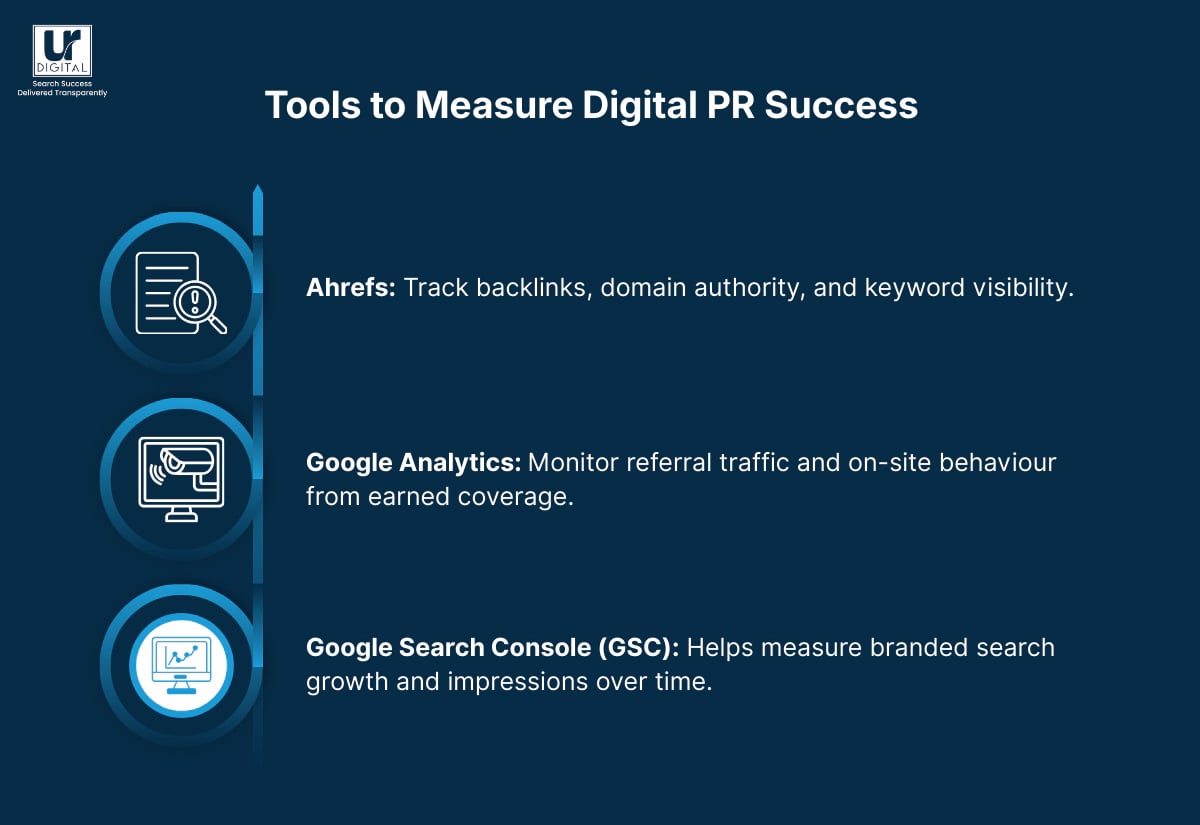
- Ahrefs: Track backlinks, domain authority, and keyword visibility.
- Google Analytics: Monitor referral traffic and on-site behaviour from earned coverage.
- Google Search Console (GSC): Helps measure branded search growth and impressions over time.
Real World Example
Burke Mangan Lawyers, an Australian law firm wanted to strengthen their digital presence in employment and family law. To achieve this, we created a plan with specific objectives.
Objective
Our focus was to gain tier-one media mentions, creating national awareness around under-discussed legal issues, and boosting branded search. A key objective was to drive branded search and position Kylie and Lyndon as reliable voices in legal commentary.
Our Approach
We ran the following four digital PR campaigns focused on people-focused issues:
- Who Gets the Dog: Responded to family law reforms recognising pets as family, sparking national debate on pet custody.
- Smart Split Checklist: Highlighted the financial strain forcing separated couples to live together amid the cost-of-living crisis.
- Right to Disconnect: Clarified new workplace legislation with tailored guides for employees and employers.
- Tough Love or Bullying: Addressed the fine line between firm management and unlawful bullying in the workplace.
We created SEO-friendly content backed by data and released it at the right time around new laws and news stories. To move quickly, we prepared quotes and commentary in advance and gave journalists direct access to Kylie and Lyndon.
Results
Our PR SEO campaigns secured coverage across outlets including The Australian, Channel 7 News, Yahoo! Finance, and Lawyers Weekly. We also earned 78 high-authority backlinks. Branded search spiked across all campaign windows, and BML reported two new client enquiries daily as PR and SEO reinforced each other.
Why It Worked
This campaign fused SEO strategy with PR timing, earning national coverage and public trust for a small law firm. It shows how digital PR can turn niche expertise into mainstream visibility and long-term authority.
For more information about this case study, click here. For additional information about our Digital PR services including costs, click here.
Conclusion
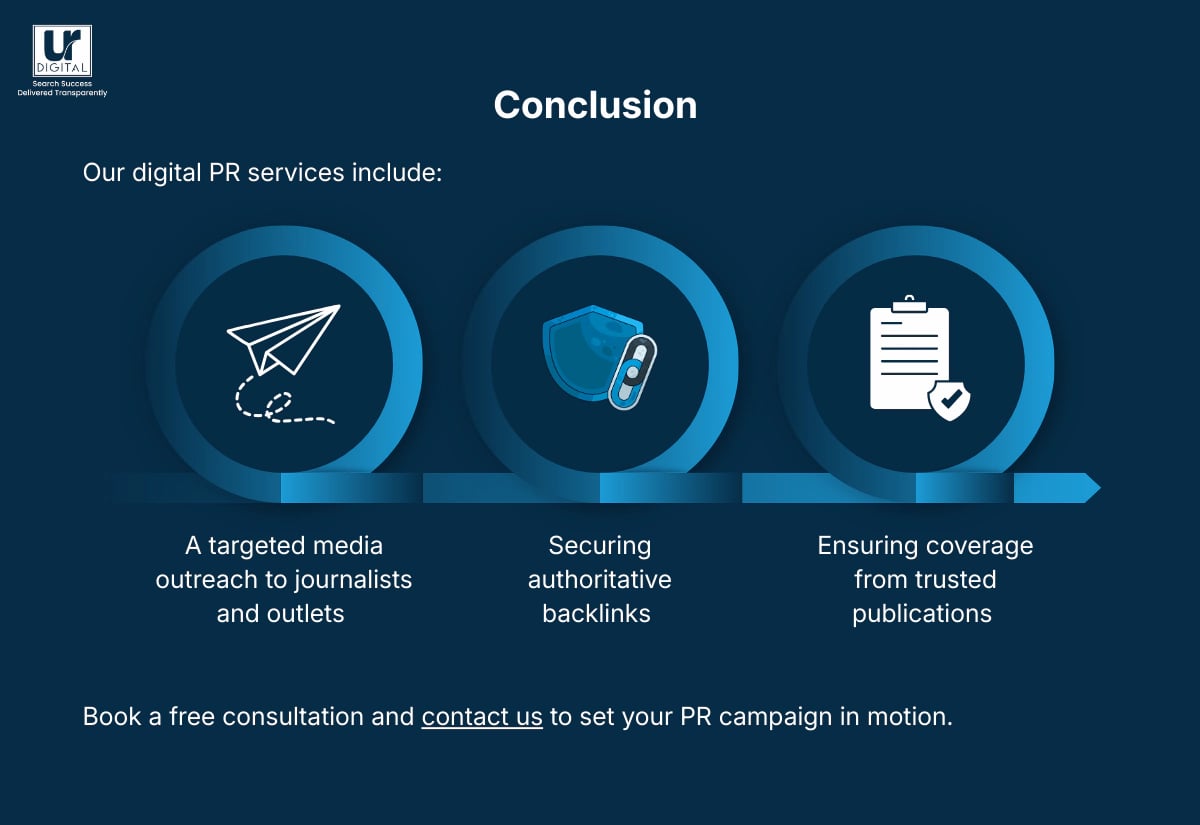
Digital PR can feel like a big step, but it doesn’t have to be complicated. Remember, it may not work the first time, but every time you fail in Digital PR, learn from what went wrong, improve and redo. The next move is simply understanding where your brand fits in the conversation. That’s where we come in — we’ll help you spot the opportunities, build a plan, and get your name in the right places. Our digital PR services include:
- A targeted media outreach to journalists and outlets
- Securing authoritative backlinks
- Ensuring coverage from trusted publications
Book a free consultation and contact us to set your PR campaign in motion.
FAQs
Why is PR better than advertising?
PR builds credibility because coverage is earned, not paid. While advertising and PR both have their place, audiences often trust PR more as ads often feel promotional.
How is PR calculated?
PR is measured through reach, mentions, backlinks, and traffic. Several digital public relations services consider SEO metrics like domain authority and keyword rankings as well.
How to use digital PR?
Create content, insights, or stories that media outlets and audiences find valuable. Then pitch, publish, and amplify them across online channels. For the best results, select a reliable digital PR agency like UR Digital.
Is digital PR worth it?
Yes — it improves brand awareness, trust, and SEO visibility. Unlike ads, the benefits of online PR can compound over time. For faster results, choose a trusted digital public relations agency.
Is PR the same as social media?
No, PR is a broader strategy while social media is just one channel. Social can support PR but doesn’t replace it. Many digital PR companies use social platforms as part of a wider strategy that also includes media outreach, content, and SEO.
How do you earn PR?
Offer newsworthy stories, data, or expertise that journalists want to share. Consistent outreach and relationships are key. For the best results, consider hiring a reliable online PR agency.
Which apps can I use to PR?
Tools like Muck Rack, Cision, and BuzzStream help with outreach and media lists. Monitoring tools like Ahrefs, Semrush, and Google Alerts track results. Many online PR companies also rely on these platforms to manage campaigns and measure impact effectively.
What can PR do and cannot do?
PR can build trust, traffic, and visibility but cannot guarantee sales or full control over coverage. To get tailored advice for your brand, it’s recommended to hire a trusted digital PR firm like UR Digital.
Disclaimer
The contents of this blog are for informational and educational purposes only. They do not constitute professional SEO, GEO, AEO, ASO, or digital PR advice and should not be relied upon as such. We recommend consulting with an SEO expert before implementing any strategies. UR Digital accepts no responsibility or liability for any outcomes resulting from actions taken in reliance on the information contained in this content. Links to third-party websites are provided for reference purposes only. We do not endorse or guarantee the accuracy, relevance, or completeness of their content.